Temperature sensors
Thermocouple Types K, J, T, N, R and S Explained — and How to Pick One
The thermocouple types most used in industry: their ranges, strengths, pitfalls, cable colour codes, and how to choose a sheath material for your conditions.
ARSO Temp Equipment 2 min read
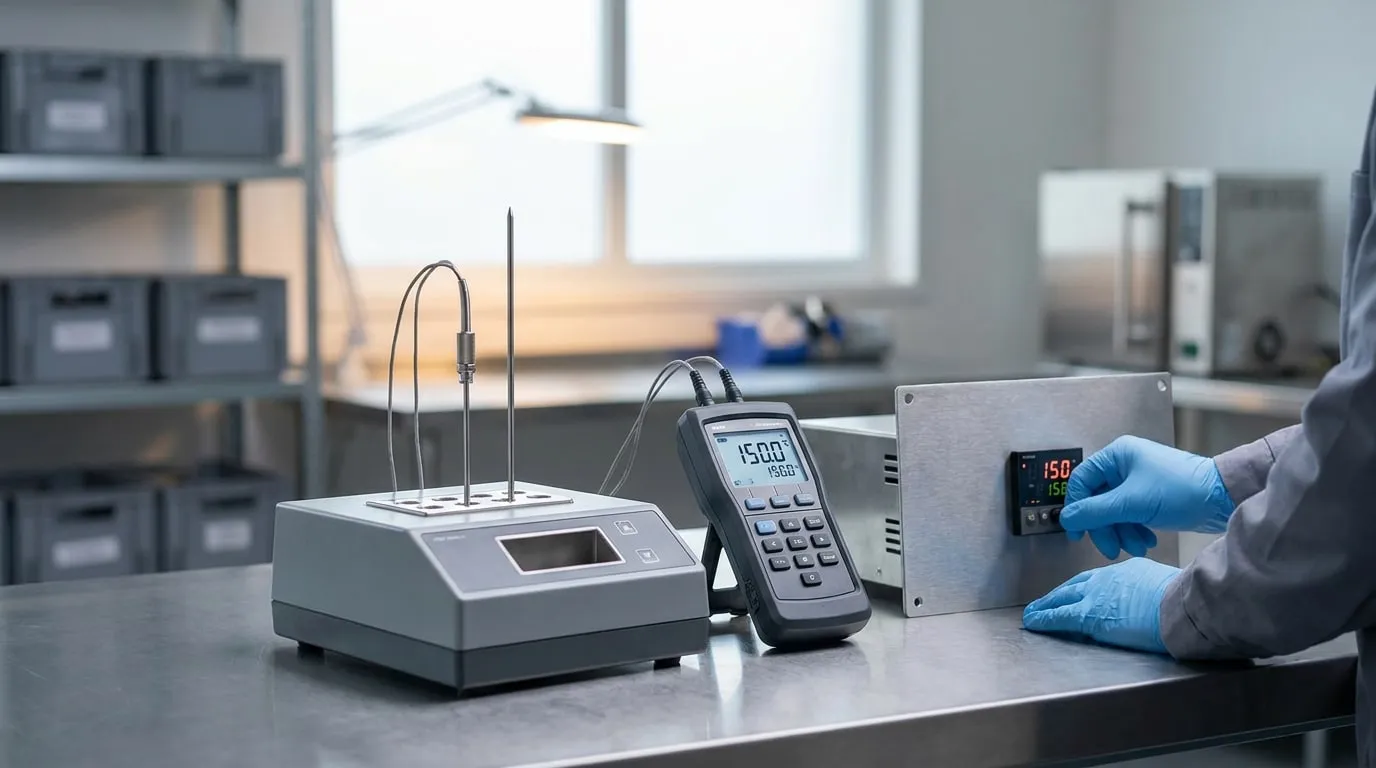
Thermocouples come in different “types”, each using a different pair of metals, so range, durability and cost all vary. Replacing a sensor without matching the type to the controller is one of the most common reasons a reading is off by tens of degrees.
The common types at a glance
| Type | Metals | Approx. range | Good for |
|---|---|---|---|
| K | Nickel-chromium / nickel-aluminium | -200 to 1,250 °C | General purpose, ovens, machinery — the most popular |
| J | Iron / copper-nickel | -40 to 750 °C | Plastic injection, low-oxygen atmospheres |
| T | Copper / copper-nickel | -200 to 350 °C | Low temperatures, cold rooms, food |
| N | Nicrosil / Nisil | -200 to 1,250 °C | A more stable alternative to K at high temperature |
| E | Nickel-chromium / copper-nickel | -200 to 900 °C | Strong signal, low to mid temperatures |
| R / S | Platinum-rhodium / platinum | 0 to 1,600 °C | Glass, ceramics, metal melting — expensive |
| B | Platinum-rhodium on both legs | up to about 1,700 °C | Very high temperatures |
Ranges depend on wire size and sheath material; treat them as a starting point.
Common mistakes
1. The type must match end to end. Sensor, compensating cable, plugs and the controller’s input setting must all be the same type. A Type K sensor read as Type J gives the wrong temperature immediately.
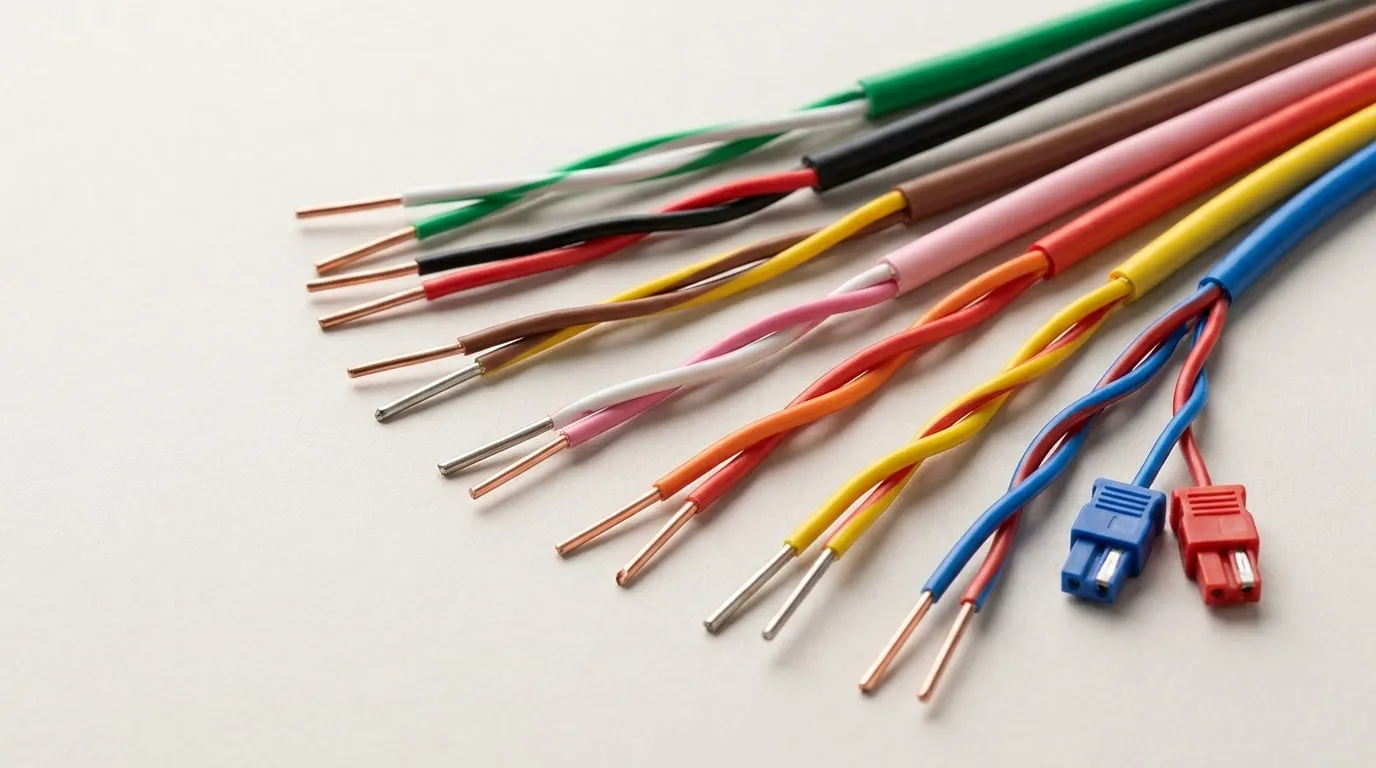
2. Colour codes differ by standard. Under IEC, Type K is green (positive) and white; under the US ANSI standard it is yellow and red. Thai plants have both, so check the label rather than relying on colour alone.
3. Type K isn’t always best. In low-oxygen or sulphur-bearing atmospheres Type K can degrade quickly (“green rot”); for continuous high-temperature use, Type N holds its calibration better.
Choosing the sheath
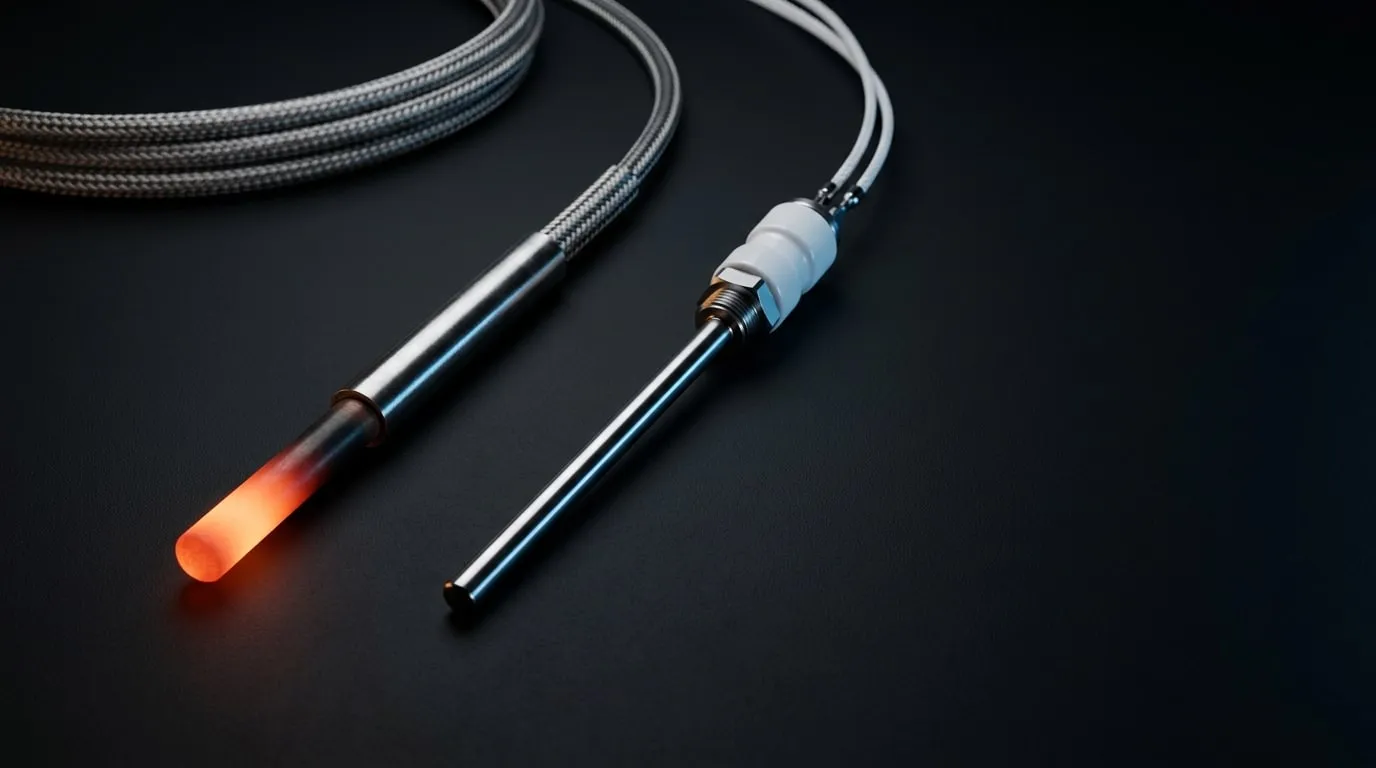
The thermocouple wires sit inside a sheath packed with magnesium oxide (MgO) insulation. The sheath matters as much as the type for service life.
- SUS304 / SUS316 stainless — general and food use, good corrosion resistance, up to about 800 °C
- Inconel 600 — higher temperatures and oxidising conditions, up to about 1,100 °C
- Ceramic — furnaces and beyond, paired with Types R / S / B
Pick a suitable mounting too: thread, flange, tri-clamp for food lines, or a thermowell in pressurised or fast-flowing pipes.
What to send us for a custom build
- The type (or your controller model)
- Operating temperature range
- Sheath length and diameter
- Head style (terminal head or fly lead) and cable length
- Mounting (thread size / flange)
ARSO builds thermocouples to order in all the main types, supplies colour-coded cable and plugs, and tests every unit before dispatch.